
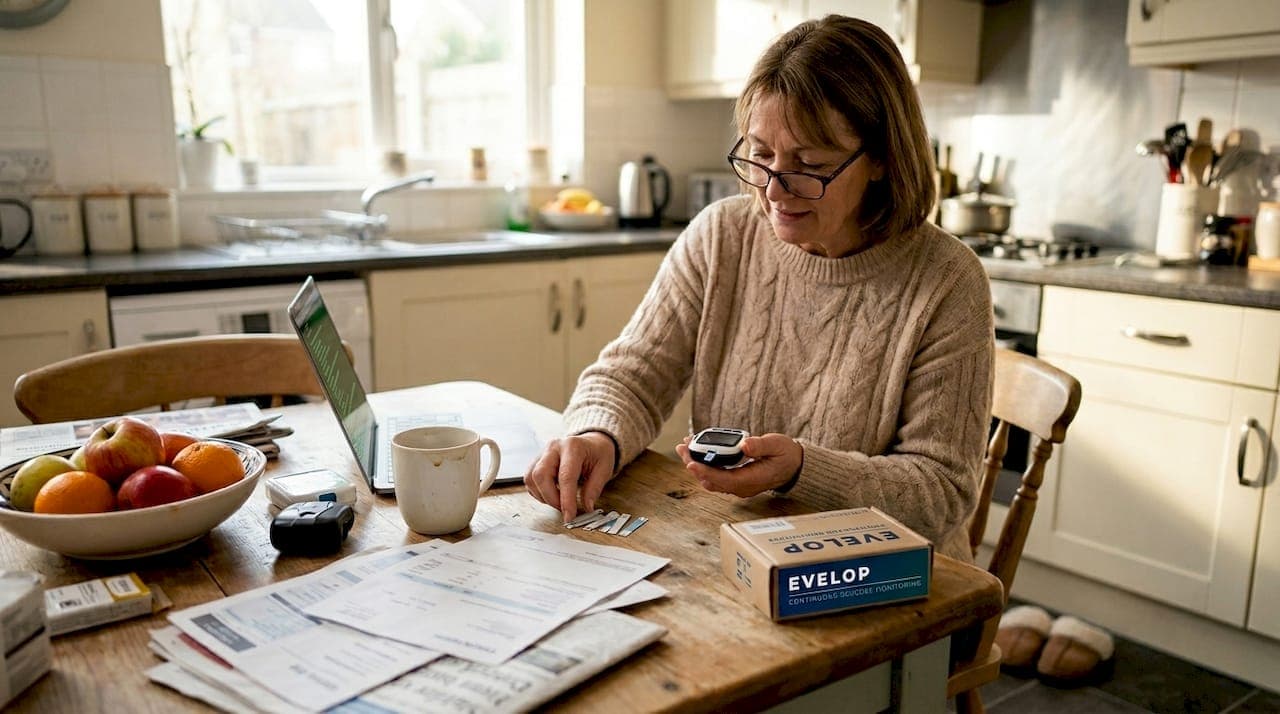
Managing diabetes effectively hinges on accurate glucose monitoring, yet many individuals unknowingly make critical errors that compromise their readings and treatment decisions. Poor technique or timing errors can lead to mismanagement, affecting daily health outcomes and long-term complications. Whether you rely on traditional finger prick tests or continuous glucose monitors, understanding where mistakes happen and how to prevent them transforms your diabetes care routine. This guide walks you through the most frequent monitoring pitfalls, explains their impact on your results, and provides practical solutions to ensure every reading you take supports optimal glucose control and informed decision making.
Table of Contents
- Key Takeaways
- Common mistakes in glucose monitoring: what to watch out for
- Timing and technique errors that affect monitoring accuracy
- Choosing the right device and understanding its operation
- Maintaining and calibrating your glucose monitor for reliable results
- Explore advanced glucose monitoring solutions at EVELOP
- Frequently asked questions
Key Takeaways
| Point | Details |
|---|---|
| Accuracy through technique | Using correct technique ensures readings reflect actual glucose levels rather than contamination or user error. |
| Regular calibration and care | Regular calibration and device care maintain accuracy throughout the monitor's lifespan. |
| Know your device type | Understanding whether a traditional meter or continuous glucose monitor suits your needs prevents frustration and supports consistent monitoring. |
| Timing and technique discipline | Testing immediately after meals skews results and you should test at consistent times with context for meaningful trend interpretation. |
Common mistakes in glucose monitoring: what to watch out for
Glucose monitoring errors fall into predictable patterns that affect accuracy and treatment decisions. Many patients struggle with timing, testing immediately after meals without considering the natural glucose spike or checking at inconsistent times that make trend analysis impossible. Monitoring at wrong times without proper context misleads treatment decisions, causing unnecessary insulin adjustments or missed hypoglycaemic episodes. Sampling technique presents another frequent problem. Not washing hands before testing introduces sugars from food handling or lotions, skewing results upward by several mmol/L. Squeezing fingers too hard to extract blood dilutes the sample with interstitial fluid, whilst using the same finger repeatedly causes calluses that make sampling painful and unreliable.
Device-related mistakes compound these issues. Ignoring calibration instructions reduces accuracy, particularly with continuous glucose monitors that require periodic finger prick verification. Using expired test strips or storing them in humid environments degrades the chemical reagents, producing false readings. Many users fail to code their meters correctly when starting a new strip batch, introducing systematic errors. Temperature extremes affect both strips and devices, yet people often leave meters in cars or bags exposed to heat and cold. Recording errors matter too. Failing to log readings with context like meals, exercise, or medication timing makes pattern recognition nearly impossible for you and your healthcare team.
Pro Tip: Always follow manufacturer guidelines strictly for your chosen device type, including storage conditions, calibration frequency, and proper sampling technique to maintain accuracy.
The cumulative effect of these mistakes creates unreliable data that undermines diabetes management. False readings lead to incorrect insulin dosing, missed hypoglycaemia warnings, or unnecessary treatment changes. Recognising these patterns helps you audit your current practice and identify specific areas needing improvement. The next sections break down timing and technique errors in greater detail, providing concrete steps to eliminate each mistake from your monitoring routine.
Timing and technique errors that affect monitoring accuracy
When you test matters as much as how you test. Checking glucose immediately after eating captures the peak postprandial spike rather than a stable reading, making it impossible to distinguish between normal meal responses and genuine hyperglycaemia. Testing at inconsistent times each day prevents meaningful comparison. Your body follows circadian rhythms that affect glucose levels, so a reading at 7am differs fundamentally from one at 10am, even under similar conditions. Recommended testing times include fasting (before breakfast), pre-meal, two hours post-meal, before bed, and during the night if experiencing nocturnal hypoglycaemia. These standardised windows provide comparable data points that reveal patterns.
Technique errors introduce contamination that falsely elevates readings. The most common mistake involves testing with unwashed hands after handling food, particularly fruit or anything sweet. Even trace amounts of sugar on fingertips can add 2-5 mmol/L to your reading. Some people use alcohol wipes but test before the alcohol fully evaporates, which dilutes the blood sample and lowers results artificially. Proper technique requires washing with soap and warm water, drying completely, then using the side of the fingertip rather than the pad where nerve endings concentrate. Rotate fingers systematically to prevent callus formation.
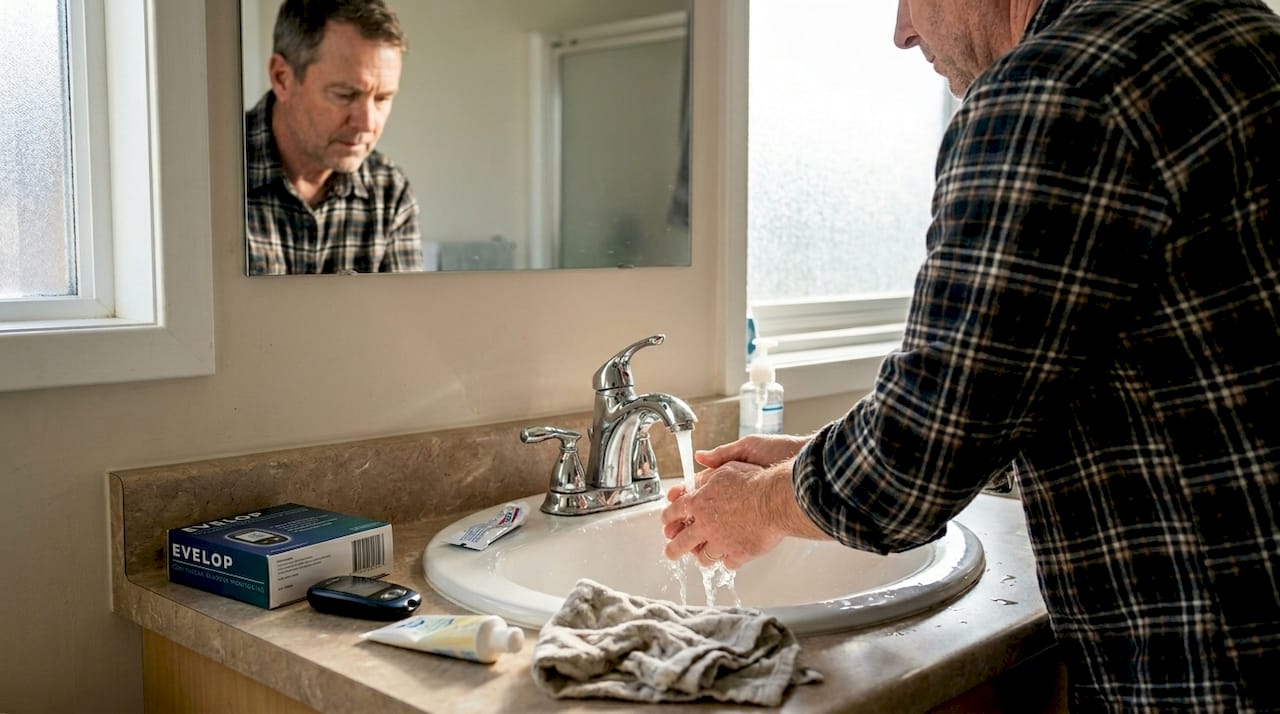
Sampling depth and blood volume matter significantly. Lancet devices have adjustable depth settings, yet many users default to maximum penetration, causing unnecessary pain and tissue damage. Most meters need only a tiny droplet. Squeezing hard to extract more blood mixes interstitial fluid with blood, diluting glucose concentration. The correct approach involves letting the blood flow naturally after a single, appropriate-depth prick. If insufficient, try a different finger rather than squeezing.
Pro Tip: Set reminders on your phone for consistent monitoring times, creating a routine that becomes automatic and ensures comparable readings for pattern analysis.
Test strip handling introduces another layer of potential error. Strips exposed to air for more than a few minutes before use absorb moisture that degrades reagents. Always close the strip container immediately after removing one. Check expiration dates monthly and discard outdated strips regardless of remaining quantity. Store strips in their original container, never transferring to pill organisers or other containers that lack moisture barriers. These seemingly minor details determine whether your readings reflect actual glucose levels or measurement artifacts.
Choosing the right device and understanding its operation
Glucose monitoring technology has evolved dramatically, yet selecting the appropriate device for your circumstances prevents frustration and improves adherence. Traditional blood glucose meters require finger pricks for each reading, offering accuracy and immediate results but demanding active testing multiple times daily. Continuous glucose monitors offer advantages over finger prick testing for ease and accuracy but require understanding of their use, including sensor insertion, calibration protocols, and interpreting trend arrows alongside absolute values. Your choice should reflect lifestyle factors, diabetes type, treatment intensity, and personal preferences around pain tolerance and technology comfort.
| Device type | Testing frequency | Pain level | Data richness | Ideal for |
|---|---|---|---|---|
| Traditional meter | 4-8 times daily | Moderate | Spot checks only | Type 2, stable control |
| Flash glucose monitor | Scan as needed | Minimal | Trend data, no alerts | Active lifestyle, frequent checkers |
| Real-time CGM | Continuous | Minimal | Full trends, alerts | Type 1, intensive insulin therapy |
| Implantable CGM | Continuous | None after insertion | Full trends, long-term | Minimal intervention preference |
Understanding your device's operation prevents common user errors. Traditional meters require correct coding for each strip batch, a step many users skip, introducing systematic bias. The meter's algorithm expects specific strip chemistry, and mismatched codes produce readings off by 10-20%. CGM systems measure interstitial glucose rather than blood glucose, creating a 5-15 minute lag during rapid changes. This lag means CGM readings during hypoglycaemia may show higher values than actual blood glucose, whilst finger prick testing reflects current status. Recognising this difference prevents panic over apparent discrepancies.
Device features like alerts require proper configuration. Setting hypoglycaemia alerts too low means warnings arrive after you've already experienced symptoms. Conversely, overly sensitive alerts cause alarm fatigue, leading users to disable notifications entirely. Calibration frequency varies by device. Some CGMs require twice-daily finger prick calibration, others need none. Skipping required calibrations or calibrating during rapid glucose changes (within two hours of meals or exercise) introduces error. Read your device manual thoroughly and consult with your diabetes educator to optimise settings for your patterns.
Consider connectivity and data management capabilities. Modern devices sync with smartphone apps, providing graphs, pattern analysis, and sharing options for healthcare providers or family members. These features only help if you actually review the data regularly. Choose a system whose interface you find intuitive and whose reports you'll genuinely use. The most sophisticated device becomes useless if its complexity prevents consistent use. Match technology level to your comfort and commitment.
Maintaining and calibrating your glucose monitor for reliable results
Device maintenance directly impacts accuracy and longevity. CGM sensors accumulate protein deposits and cellular debris at the insertion site, potentially affecting readings as wear time extends. Clean the sensor site gently with water, avoiding harsh soaps or alcohol that might degrade adhesive. Traditional meters need regular cleaning of the test strip port where blood and dust accumulate. Use a soft, dry cloth monthly to remove debris. Never use liquid cleaners inside the meter, as moisture damages electronics.
Calibration requirements vary by device type. Regular calibration and maintenance are critical to ensure glucose monitor accuracy and longevity, following manufacturer protocols exactly. Most CGMs specify calibration timing, typically requiring finger prick verification when glucose is stable, not trending rapidly up or down. Calibrating during meals or exercise introduces error because the lag between blood and interstitial glucose creates mismatched values. Some newer CGMs use factory calibration, eliminating user calibration entirely but requiring strict adherence to sensor replacement schedules. Extending sensor wear beyond recommended duration degrades accuracy progressively.
Component replacement schedules matter significantly. Lancets should be changed with every use, though many people reuse them multiple times. Dull lancets cause more pain and tissue damage, increasing infection risk. Test strips expire, and using outdated strips produces unreliable results regardless of meter condition. CGM sensors have defined wear periods, typically 10-14 days. Attempting to extend wear introduces drift where readings increasingly diverge from actual glucose levels. Transmitters have battery lives measured in months, requiring replacement even when seemingly functional.
| Maintenance task | Frequency | Consequence of neglect |
|---|---|---|
| Calibrate CGM | Per manufacturer schedule | Drift from actual glucose values |
| Replace CGM sensor | Every 10-14 days | Increasing inaccuracy, potential failure |
| Change lancet | Every use | Pain, tissue damage, infection risk |
| Clean meter port | Monthly | Test strip reading errors |
| Check strip expiration | Monthly | False high or low readings |
| Replace meter battery | When low indicator appears | Unexpected shutdowns, lost data |
| Update device software | When available | Missing accuracy improvements, bugs |
Battery management prevents unexpected failures. Traditional meters warn of low battery, but waiting until complete depletion risks being unable to test during critical moments. Replace batteries promptly when warnings appear. CGM transmitters provide battery status in their apps. Order replacement transmitters when battery levels drop below 20% to ensure arrival before complete failure. Keep spare batteries for meters and backup meters for emergencies. A failed device during illness or travel creates dangerous gaps in monitoring.
Environmental factors affect device performance. Extreme temperatures damage both meters and strips. Never leave devices in cars where temperatures swing dramatically. High altitude affects some meter algorithms, requiring adjustment settings. Electromagnetic interference from security systems or medical equipment can temporarily disrupt CGM transmissions. Understanding these environmental sensitivities helps you protect devices and interpret occasional anomalous readings correctly.
Explore advanced glucose monitoring solutions at EVELOP
Eliminating common monitoring mistakes becomes simpler with technology designed for accuracy and ease of use. The Sinocare iCan i3 CGM offers pain-free, continuous glucose monitoring without finger pricks, addressing many of the timing and technique errors that plague traditional testing. This CE and FDA certified device provides real-time readings every minute, eliminating the guesswork about when to test and ensuring you never miss critical glucose changes. The waterproof design withstands daily activities including swimming and showering, whilst Bluetooth connectivity syncs data automatically to your smartphone for effortless tracking and pattern analysis.

Transitioning to continuous monitoring removes the burden of remembering test times and performing correct finger prick technique repeatedly throughout the day. The iCan i3 system alerts you to highs and lows before they become dangerous, supporting proactive management rather than reactive responses. With 15-day sensor wear and no calibration requirements, maintenance simplifies dramatically compared to traditional methods. Explore how advanced CGM technology can transform your diabetes care routine whilst avoiding the common mistakes that undermine effective glucose monitoring.
Frequently asked questions
What are the most common mistakes people make with glucose monitoring?
The most frequent errors include testing with unwashed hands that introduce food sugars, checking at inconsistent times that prevent pattern recognition, ignoring device calibration requirements, and using expired test strips. Many users also squeeze fingers too hard when sampling, diluting blood with interstitial fluid and producing inaccurate readings.
How does improper timing affect my glucose readings?
Testing immediately after meals captures temporary spikes rather than stable values, making it impossible to distinguish normal postprandial responses from genuine hyperglycaemia. Inconsistent timing prevents meaningful comparison between readings since your body's circadian rhythms affect glucose levels throughout the day, meaning a 7am reading differs fundamentally from a 10am reading under similar conditions.
Should I choose a traditional meter or a continuous glucose monitor?
Your choice depends on diabetes type, treatment intensity, and lifestyle preferences. Traditional meters suit people with stable type 2 diabetes requiring occasional checks, whilst continuous glucose monitors benefit those with type 1 diabetes or intensive insulin therapy who need frequent readings and trend data. CGMs eliminate finger pricks and provide alerts but require understanding of interstitial glucose lag times.
How often should I calibrate my glucose monitoring device?
Calibration frequency varies by device type. Some CGMs require twice-daily finger prick verification during stable glucose periods, whilst newer factory-calibrated systems need no user calibration. Traditional meters need coding verification when starting new test strip batches. Always calibrate when glucose is stable, never during rapid changes within two hours of meals or exercise.
Why do my CGM and finger prick readings sometimes differ?
CGMs measure interstitial glucose with a 5-15 minute lag behind blood glucose, whilst finger pricks reflect current blood levels. During rapid changes like hypoglycaemia or post-meal spikes, this lag creates apparent discrepancies. CGM readings may show higher values during actual low blood sugar because interstitial fluid hasn't caught up with the rapid blood glucose drop.
What maintenance tasks are essential for accurate glucose monitoring?
Replace CGM sensors every 10-14 days as specified, change lancets with every use, check test strip expiration dates monthly, clean meter ports regularly, and replace device batteries promptly when warnings appear. Store test strips in their original moisture-proof containers and protect devices from temperature extremes by never leaving them in cars or direct sunlight.