
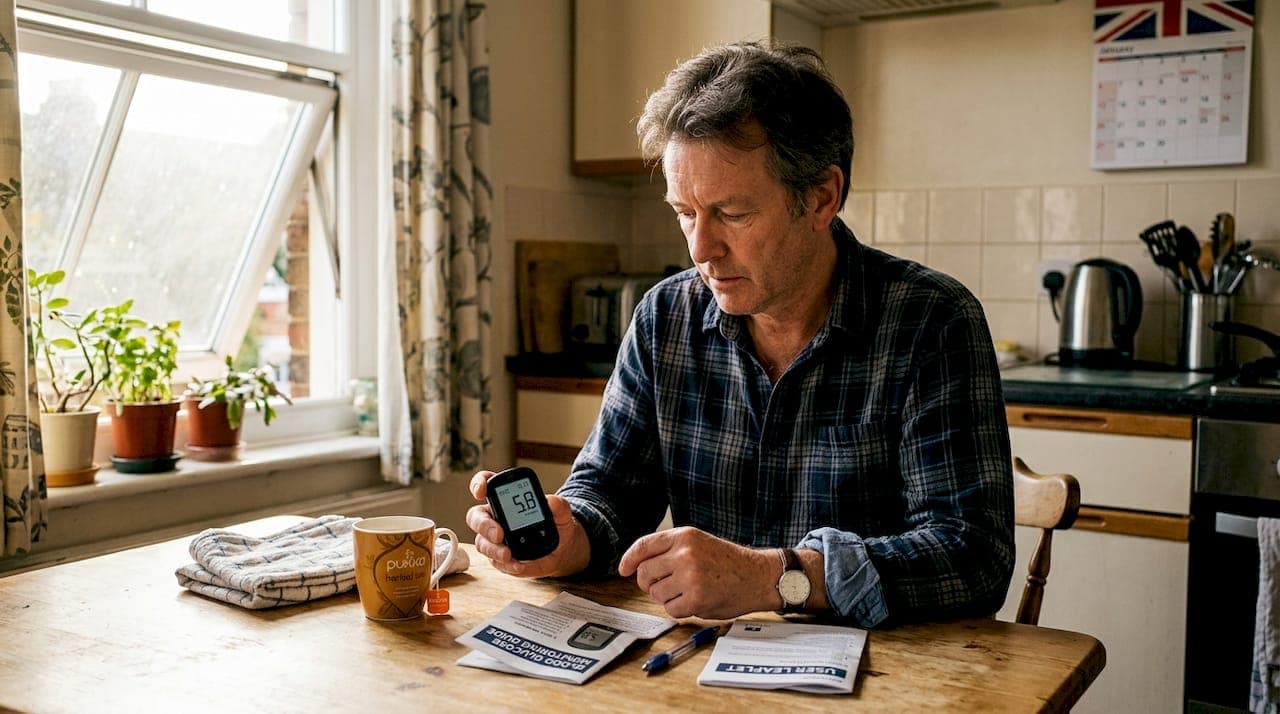
Many people believe accurate glucose monitoring requires expensive equipment and painful finger pricks multiple times daily. This misconception keeps individuals from exploring affordable, pain-free alternatives that have become widely available in 2026. Modern glucose monitoring technology spans from traditional blood glucose meters costing under £30 to continuous glucose monitors offering real-time data without any finger pricks. This comprehensive guide examines affordable options across the spectrum, comparing costs, accuracy, and practical benefits to help you choose the most suitable pain-free solution for effective diabetes management.
Table of Contents
- Understanding affordable glucose monitoring options
- Comparing accuracy and health benefits of SMBG and CGMs
- Practical considerations and choosing the right affordable option
- Summary and future outlook for affordable glucose monitoring
- Explore affordable CGM options with EVELOP
Key takeaways
| Point | Details |
|---|---|
| SMBG versus CGM costs | Traditional meters cost £9-32 upfront whilst CGMs require £75-130 monthly but eliminate finger pricks entirely |
| Clinical accuracy matters | Leading CGMs achieve under 9% MARD accuracy, making them suitable for insulin dosing with occasional confirmation |
| Long-term value | CGMs reduce HbA1c by 0.4-0.6% and cut complication risks despite higher initial investment |
| Insurance reduces barriers | Coverage often lowers CGM costs to £0-75 monthly, making continuous monitoring accessible |
| Practical placement | Sensors apply to arms or abdomen with minimal discomfort and provide 10-15 day monitoring |
Understanding affordable glucose monitoring options
Glucose monitoring technology in 2026 offers two primary approaches: self-monitoring blood glucose (SMBG) devices and continuous glucose monitors (CGMs). Each serves different needs and budgets whilst varying significantly in pain levels and convenience.
SMBG meters require finger prick blood samples to measure glucose at specific moments. Common affordable glucose meters include the Contour Next One (£25-30), OneTouch Verio Reflect (£15-20), and Care Touch (£9-15). These devices provide accurate snapshots but require painful finger pricks multiple times daily. Test strips add ongoing costs of £15-40 monthly depending on testing frequency. The pain factor remains the primary drawback, with many users reporting finger soreness and reluctance to test as often as recommended.
CGMs revolutionise monitoring by eliminating finger pricks entirely. These devices use tiny sensors inserted just beneath the skin to measure glucose continuously. Two CGM types exist: real-time systems like Dexcom G7 that display readings constantly on receivers or smartphones, and intermittently scanned systems like FreeStyle Libre 3 requiring smartphone scans. Affordable options in 2026 include the FreeStyle Libre 3 (£75-90 monthly), Stelo OTC (£85-100 monthly), and Sinocare iCan i3 (£80-95 monthly). Whilst upfront costs exceed SMBG, the pain-free experience and continuous data prove invaluable for many users.
Pro Tip: Calculate your monthly SMBG costs including strips, lancets, and meter replacement before dismissing CGMs as too expensive.
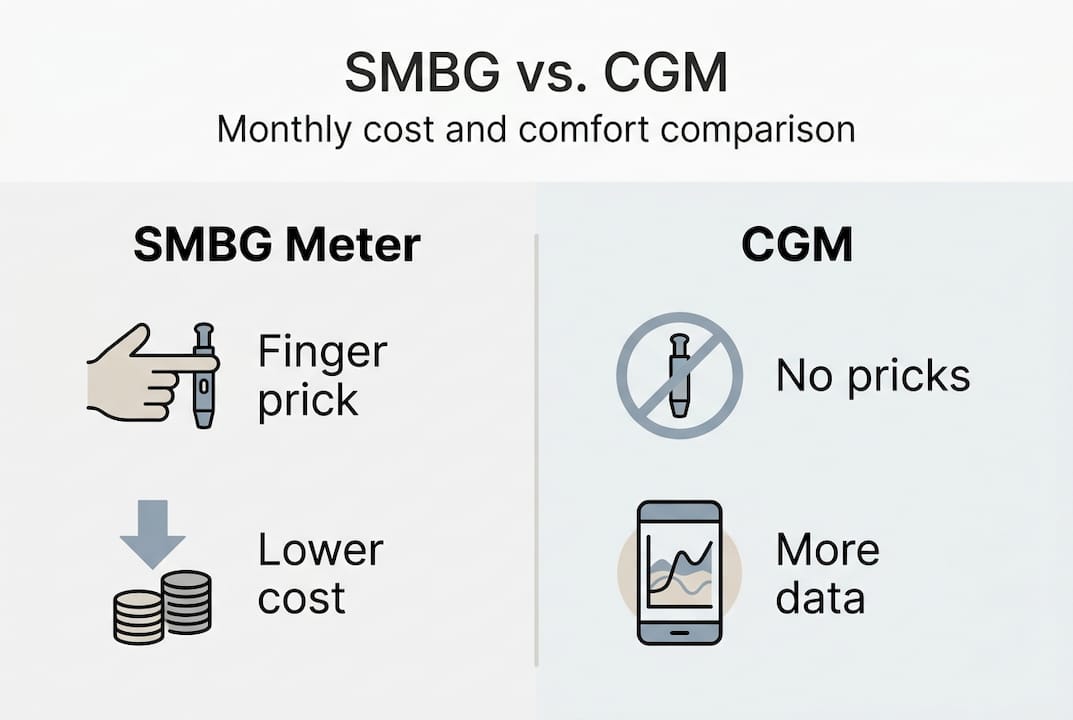
The cost comparison reveals nuanced value. SMBG appears cheaper initially but testing 4-6 times daily costs £25-50 monthly in supplies alone. CGMs cost £75-130 monthly but provide thousands of readings without any finger pricks. For individuals requiring frequent monitoring, CGMs often prove more cost-effective long term whilst dramatically improving quality of life.
| Monitoring Type | Monthly Cost | Pain Level | Data Frequency | Accuracy |
|---|---|---|---|---|
| SMBG Meters | £15-40 (strips) | High (multiple pricks) | 4-8 readings | ±10-15% |
| Real-Time CGM | £90-130 | Minimal (sensor insertion) | Continuous (every 5 min) | <9% MARD |
| Scanned CGM | £75-100 | Minimal (sensor insertion) | On-demand scans | <9% MARD |
Understanding these fundamental differences helps you evaluate which approach aligns with your pain tolerance, budget, and monitoring needs. The continuous glucose monitoring guide provides deeper technical details about how CGM technology functions.
Comparing accuracy and health benefits of SMBG and CGMs
Accuracy determines whether glucose monitoring technology can safely guide treatment decisions, particularly insulin dosing. The metric used to assess accuracy is mean absolute relative difference (MARD), which measures the average percentage difference between monitor readings and laboratory reference values. Lower MARD percentages indicate greater accuracy.
Leading CGMs in 2026 demonstrate exceptional precision. The Dexcom G7 and Libre 3 CGMs have accuracy with MARD under 9% and 99% agreement in critical glucose ranges, making them suitable for insulin dosing with occasional fingersticks. This accuracy level meets regulatory standards for making treatment decisions without confirmation testing in most situations. SMBG devices typically achieve ±10-15% accuracy, which proves adequate for snapshots but lacks the continuous trend data that CGMs provide.
The clinical benefits of CGMs extend far beyond accuracy numbers. Research demonstrates that CGM use reduces HbA1c by about 0.4-0.6% compared to SMBG in Type 2 diabetes using basal insulin, improves time in range, and cuts complications long term. These improvements translate to fewer hypoglycaemic episodes, reduced hospital visits, and better overall diabetes control. The continuous data stream reveals patterns invisible to periodic finger pricks, enabling proactive adjustments rather than reactive corrections.
Time in range (TIR) has emerged as a crucial metric for diabetes management. CGMs automatically calculate the percentage of time glucose remains within target ranges (typically 3.9-10.0 mmol/L). Higher TIR correlates with reduced complication risks. Studies show CGM users achieve 10-15% higher TIR compared to SMBG users, representing several additional hours daily with optimal glucose levels.
"Continuous glucose monitoring provides actionable insights that finger prick testing simply cannot match. The ability to see trends, predict highs and lows, and adjust treatment proactively represents a fundamental shift in diabetes management."
Pro Tip: When transitioning to CGM, continue occasional fingerstick tests during the first week to build confidence in sensor accuracy, especially before treating suspected lows.
The CGM versus finger prick testing comparison reveals that whilst SMBG provides reliable snapshots, CGMs deliver comprehensive glucose profiles that transform management strategies. For individuals using insulin or experiencing frequent glucose fluctuations, this enhanced visibility proves invaluable for achieving tight control whilst minimising hypoglycaemia risk.
| Comparison Factor | SMBG | CGM |
|---|---|---|
| Accuracy (MARD) | ±10-15% | <9% |
| HbA1c Reduction | Baseline | 0.4-0.6% improvement |
| Time in Range | 55-65% typical | 70-80% typical |
| Hypoglycaemia Detection | Misses overnight lows | 24/7 alerts |
| Cost-Effectiveness | Lower upfront, higher long-term complications | Higher upfront, lower complications |
Practical considerations and choosing the right affordable option
Selecting appropriate glucose monitoring requires evaluating personal factors beyond cost and accuracy. Sensor placement, lifestyle compatibility, insurance coverage, and individual comfort levels all influence which option proves most practical.
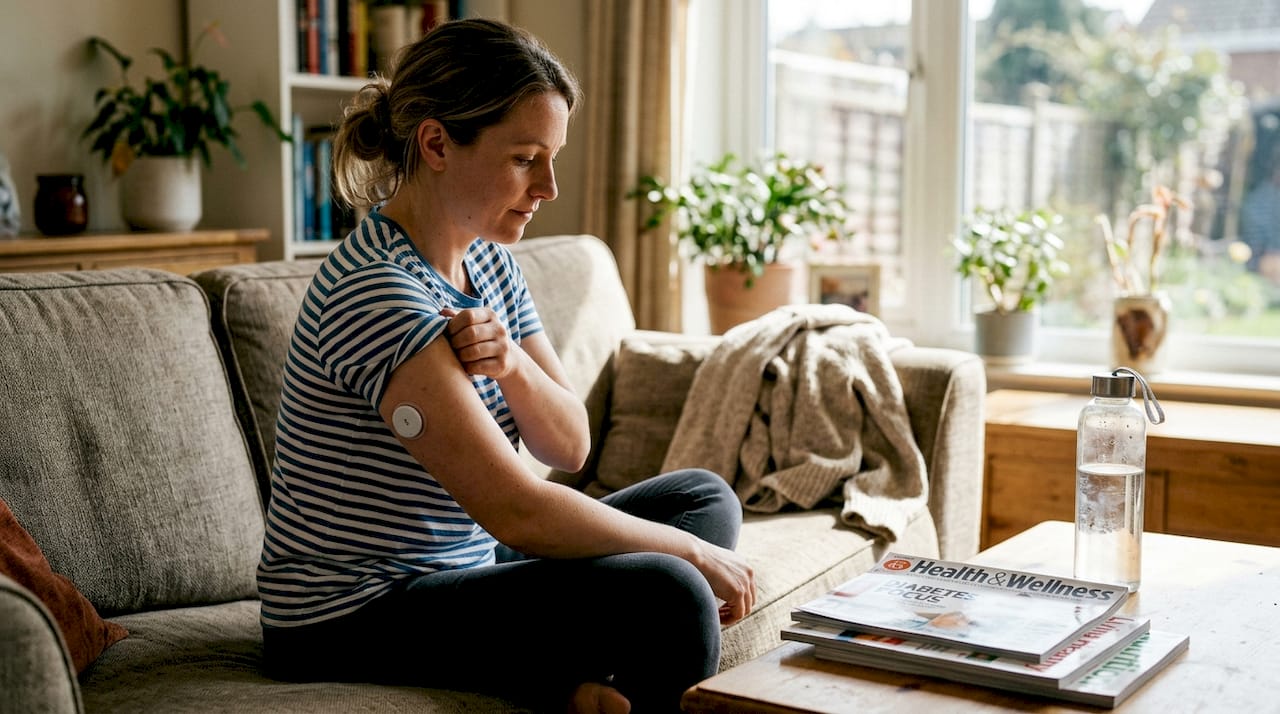
CGM sensors typically attach to the back of the upper arm or abdomen. The sensor placement process involves cleaning the site, applying an adhesive patch, and using an applicator to insert a tiny filament beneath the skin. Most users report minimal discomfort during insertion, comparable to a brief pinch. Sensors remain in place for 10-15 days depending on the model, staying secure during showers, swimming, and exercise. Apps paired with sensors display real-time readings, trends, and customisable alerts.
Lifestyle factors significantly impact monitoring choice:
- Active individuals benefit from waterproof CGMs that withstand swimming and intense workouts
- People with needle anxiety find CGM sensor insertion far less stressful than daily finger pricks
- Shift workers appreciate 24/7 monitoring without sleep disruption for testing
- Parents of diabetic children gain peace of mind from remote monitoring and overnight alerts
- Elderly users may prefer simpler SMBG if smartphone apps prove challenging
Insurance coverage dramatically affects affordability. Many UK and international insurance plans now cover CGMs for Type 1 and insulin-using Type 2 diabetics, reducing monthly costs to £0-75. Over-the-counter CGM options like Stelo provide access without prescriptions, though insurance rarely covers these devices. Contact your insurance provider to verify coverage before purchasing.
Follow this decision framework:
- Assess your testing frequency needs based on treatment regimen
- Calculate true monthly costs including all supplies and insurance coverage
- Evaluate pain tolerance and lifestyle compatibility
- Consider accuracy requirements for insulin dosing decisions
- Trial a CGM if possible before committing to long-term use
Common challenges include:
- Skin irritation from adhesive (affects roughly 5-10% of users, usually manageable with barrier films)
- Sensor warm-up periods of 30-60 minutes after insertion before readings begin
- Compression lows causing false low readings when sleeping on the sensor
- Connectivity issues if smartphone stays too far from the sensor
Pro Tip: Use dedicated diabetes management apps to analyse glucose trends over weeks and months, revealing patterns that inform treatment adjustments in consultation with your healthcare team.
The best CGM options UK guide provides detailed comparisons of specific models available in your region, helping narrow choices based on features, costs, and user reviews.
Summary and future outlook for affordable glucose monitoring
Affordable glucose monitoring in 2026 spans a spectrum from traditional SMBG meters under £30 to pain-free CGMs at £75-130 monthly. SMBG remains viable for individuals with stable glucose requiring infrequent checks, whilst CGMs prove transformative for those needing intensive monitoring or struggling with painful finger pricks. The accuracy, health benefits, and quality of life improvements CGMs deliver often justify higher costs, particularly when insurance coverage reduces out-of-pocket expenses.
Expected developments promise even greater accessibility:
- Monthly CGM costs declining 15-25% as competition increases and technology matures
- Extended sensor wear times reaching 20-30 days, reducing replacement frequency
- Improved accuracy approaching 5-7% MARD for safer insulin dosing without confirmation
- Expanded insurance coverage including non-insulin-using Type 2 diabetics
- Integration with insulin pumps and automated delivery systems
- Smaller, more discreet sensors with enhanced adhesive technology
The trajectory points toward CGMs becoming standard care rather than premium options. Affordable CGMs reduce costs and complications long term by preventing hospitalisations, reducing emergency interventions, and improving overall health outcomes. Economic analyses consistently demonstrate that preventing one severe hypoglycaemic episode or delaying complications by even months offsets years of CGM costs.
"The shift toward continuous glucose monitoring represents one of the most significant advances in diabetes care. As costs decrease and accessibility improves, CGMs will become as commonplace as blood pressure monitors, fundamentally changing how millions manage their condition."
Staying informed about evolving options ensures you benefit from improvements as they emerge. The diabetes and CGM blog provides regular updates on new devices, research findings, and practical management strategies. Whether you currently use SMBG or CGM, periodically reassessing your monitoring approach ensures you leverage the most appropriate, affordable technology for your needs.
The future of glucose monitoring prioritises both affordability and user experience, eliminating the false choice between cost and quality. As technology advances and competition intensifies, pain-free, accurate, affordable monitoring becomes achievable for virtually everyone managing diabetes.
Explore affordable CGM options with EVELOP
Having explored the landscape of affordable glucose monitoring, you might wonder where to find reliable, cost-effective CGM solutions. EVELOP specialises in making continuous glucose monitoring accessible through products like the Sinocare iCan i3 CGM, which offers 15 days of pain-free monitoring without finger pricks. This CE and FDA certified device provides real-time glucose data via Bluetooth connectivity whilst remaining waterproof for active lifestyles.
EVELOP combines quality medical-grade devices with educational resources to support your diabetes management journey. Whether you're transitioning from finger prick testing or seeking more affordable CGM alternatives, exploring best CGM options UK helps identify solutions matching your specific needs and budget. The EVELOP homepage provides detailed product specifications, customer reviews, and transparent pricing to facilitate informed decisions.
Pro Tip: Review your current glucose monitoring costs and pain points, then explore EVELOP's product range and blog resources to discover whether affordable CGM technology could enhance your diabetes management whilst reducing daily discomfort.
FAQ
What types of affordable glucose monitors are best for pain-free use?
Continuous glucose monitors provide completely pain-free monitoring by eliminating finger pricks after initial sensor insertion. Affordable options include the FreeStyle Libre 3 and Stelo OTC, both offering continuous readings without daily finger pricks. The Sinocare iCan i3 CGM represents another cost-effective choice, providing 15-day monitoring with minimal discomfort during sensor application.
How does insurance affect affordability of glucose monitoring?
Insurance coverage typically reduces monthly CGM costs to £0-75 for eligible individuals, making continuous monitoring financially comparable to frequent SMBG testing. Many UK and international plans now cover CGMs for Type 1 diabetics and insulin-using Type 2 diabetics. Check your specific plan for device and supply reimbursement details, as coverage varies significantly between providers. The best CGM options UK guide discusses insurance considerations for different devices.
Can continuous glucose monitors replace finger-prick testing completely?
CGMs provide reliable monitoring for most situations but occasional confirmatory fingersticks remain recommended, especially before insulin dosing or when treating suspected lows. Modern CGMs achieve under 9% MARD accuracy, meeting regulatory standards for treatment decisions in most circumstances. However, certain over-the-counter CGMs explicitly state they're not suitable for insulin users. The CGM versus finger prick testing comparison explains when confirmation testing adds value.
What factors should influence my choice between SMBG and CGM?
Your testing frequency needs, budget including insurance coverage, pain tolerance, and accuracy requirements for insulin dosing should guide your decision. Individuals requiring 4+ daily tests often find CGMs more cost-effective and convenient despite higher upfront costs. Those with stable glucose needing infrequent checks may prefer simple SMBG meters. Consider lifestyle factors like activity levels, work schedules, and comfort with smartphone technology when evaluating options.